Signs Your Houston Home Needs New or Upgraded Insulation: Attic Insulation in Houston, TX
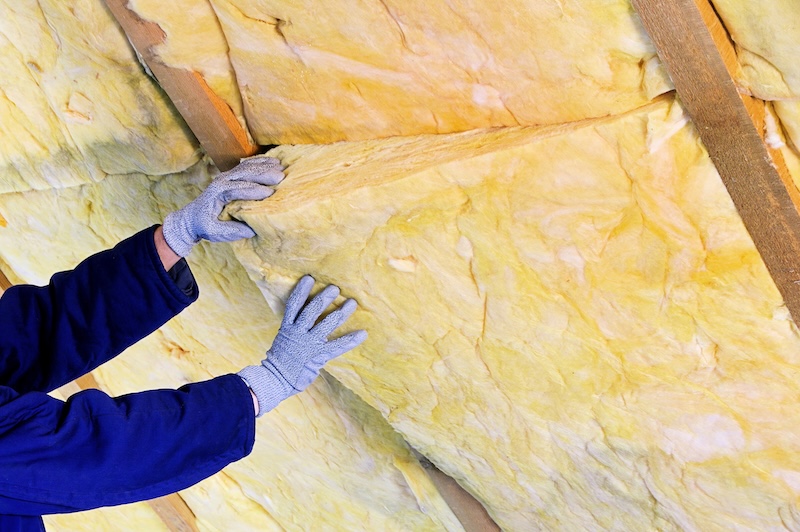
When summer sticks around and your AC never seems to catch up, your home may be telling you it needs an attic insulation upgrade. In Houston’s heat and humidity, small gaps and tired insulation turn into big comfort and energy problems fast.
Why Houston Homes Show Insulation Problems
Our climate pushes your attic to extremes. Long, hot seasons drive roof temperatures sky high, while humid air creeps into every opening. Older homes in The Heights, Meyerland, and Spring Branch often have thin or disturbed insulation. Newer builds in areas like Katy and Pearland can still have missed spots around can lights, attic hatches, or knee walls.
When insulation thins, settles, or gets wet, your AC must work harder to keep rooms comfortable. That’s why warning signs often show up first on your utility bill and around the hottest rooms upstairs or on the west side of the house.
Clear Signs You Need Insulation Replacement Or An Upgrade
1) Energy Bills Trending Up With No Big Lifestyle Changes
If your bill climbs even on average-weather months, heat may be pouring in through the attic. Utility spikes after a roof leak or pest issue are especially telling because moisture and nesting disturb coverage. **Don’t ignore month-over-month increases tied to warmer weather.**
2) Uneven Room Temperatures
Bedrooms that bake while downstairs stays cool point to thin or patchy attic coverage. You may notice hot hallways near the attic hatch or bonus rooms over the garage that never feel right.
3) Humid, Clammy Indoor Air
Insulation works best with good air sealing. If your home feels sticky even when the thermostat is set low, warm attic air could be sneaking in around light fixtures, chases, or the top plate. Pairing new insulation with air sealing closes these gaps so your AC can finally keep up.
4) AC Runs Constantly And Still Struggles
When insulation is thin or disturbed, heat loads rise. Your system runs longer, uses more energy, and may short-cycle trying to catch up. Over time that wear can shorten equipment life.
5) Dustier Rooms And More Allergies
Leaky attics allow dusty, unconditioned air to pull into living spaces. If you’re changing filters more often or noticing fine dust on furniture, the attic may be part of the problem.
6) Wet, Matted, Or Discolored Insulation
After heavy rains or a roof repair, take note of what you can safely see from the hatch. **Wet or matted insulation is a red flag** because moisture lowers R‑value and can invite mold. Any dark staining on the roof deck or around penetrations deserves a professional look.
7) Pests, Odors, Or Trampled Pathways
Rodents and frequent foot traffic crush insulation and create bare spots. If you smell musty or critter odors after a storm, you likely have contamination that reduces performance. **Smells or pest activity in the attic should be addressed before adding new material.**
8) Drafts Around Recessed Lights Or Attic Access
Gaps at can lights, pull-down stairs, and plumbing or wiring chases leak air. Over time, these little leaks cause big comfort swings and higher bills.
How Houston’s Climate Makes These Symptoms Worse
In July and August, attics across Houston can feel like a sauna. Radiant heat from the roof raises attic temps, and humid air tries to move into cooler spaces. Without solid coverage and sealing, this heat and moisture move right into your home. Upstairs rooms absorb it first, then doorways and hallways become “hot zones.”
Add a surprise cold snap and the problem flips. Heat escapes through the attic quickly, making floors and ceilings feel cold. That constant swing is a sign your home needs a better thermal and air barrier working together.
What Pros Check During An Insulation Inspection
Skipping guesswork saves time. A trained tech follows a process to find root causes instead of patching symptoms.
- Visual survey for wet, matted, or moved insulation and any roof or plumbing leak history
- Depth checks to estimate current R‑value and locate thin spots near edges and knee walls
- Attic airflow review to confirm soffit paths are open and baffles aren’t blocked
- Top-plate, chase, and light-can sealing opportunities that boost results of new insulation
- Duct condition and routing in the attic, since leaky ducts can mimic insulation problems
For a deeper dive into how local weather drives cooling costs, see this quick read from our tips library about how Houston’s heat impacts your energy bill. It explains why proper coverage and sealing reduce runtime and create steadier temperatures room to room.
Common Houston Scenarios That Point To An Upgrade
Older Homes Near Loop 610
Many mid-century homes around Garden Oaks, The Heights, and Meyerland still have thin or disturbed attic layers. Add in recessed lights and prior trades walking paths, and you end up with bare spots over key rooms.
Add-Ons And Conversions
Bonus rooms over garages in Spring Branch, Westchase, or Oak Forest often lack uniform coverage. These spaces heat up fast and stay that way late into the evening.
Post-Storm Repairs
After roof or plumbing fixes, insulation is rarely put back exactly as found. Small gaps around penetrations, fans, or new lines cause persistent hot rooms and recurring humidity complaints.
Upgrade Paths That Work In Our Climate
Every home is different, so the right plan depends on attic layout, existing material, and your comfort goals. Pros often recommend one or more of the following steps to bring your home up to modern performance:
- Top-off or full replacement with quality blown-in material for uniform coverage across joists and edges
- Targeted air sealing at top plates, chases, can lights, and the attic hatch to stop hot, humid air from sneaking in
- Ensuring ventilation pathways stay open so the attic can exhaust heat properly
- Adding a reflective layer at the roofline where appropriate to cut radiant heat load
Many homeowners start by addressing the areas that drive the biggest swings first. **Fixing air leaks before adding new material delivers stronger, longer-lasting comfort gains.** Once gaps are sealed, new coverage performs the way it should.
Timing Matters In Houston
Spring and early summer are ideal. You feel the benefits during the longest cooling season and give your AC a break before peak demand. If you’re noticing issues now in Montrose, West U, or Clear Lake, waiting rarely makes things cheaper or easier. Heat, humidity, and pests only expand the problem.
What To Expect From A Professional Upgrade
A reputable team will protect walkways, verify safe access, and document before-and-after conditions. If contamination is present, they will safely remove the old material first. Then they’ll seal target areas and install new coverage to a consistent depth across the attic, including hard-to-reach edges where performance gains are biggest.
They should also confirm the attic hatch is insulated and weatherstripped. That small detail pays off every time you close the door.
Your Next Step
If your home shows several of these signs, a quick evaluation can confirm the cause and map the fix. You can start by reviewing the basics of upgrading attic insulation to see how a uniform layer and sealing work together in our climate. For a broader overview of services that enhance comfort, energy savings, and indoor air quality, explore attic insulation houston resources from The Insulation Guru.
Ready For Comfort That Lasts Through Houston Heat?
Steady room temps, lower runtime, and less sticky air are all realistic goals with the right plan. If your bills are rising or rooms never feel right, schedule a professional evaluation. Learn what your attic needs and how quickly it can make a difference in daily comfort.
Talk with The Insulation Guru at 713-853-3999. When you are ready to move forward, see how our team approaches attic insulation improvements that stand up to Houston’s long cooling season. **Small problems compound fast in our climate, so early action protects comfort year-round.**
Protect Your Home with Advanced Insulation Solutions Contact The Insulation Guru In Houston, TX