Is Old Blown-In Insulation Hurting Your Energy Bills? A Texas Guide to Safe Removal
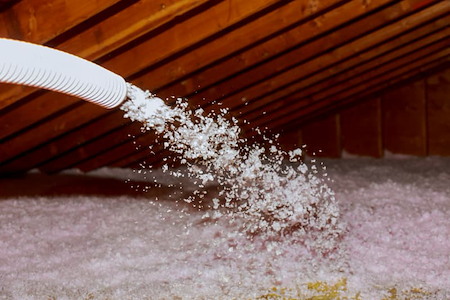
High summer heat, surprise cold snaps, and year-round humidity can punish old blown-in insulation in Houston, TX. When that blanket in your attic gets damp, settled, or contaminated, your HVAC works harder and your bills climb. If you suspect problems, start by learning what safe, professional removal looks like and why it matters for your home’s comfort. For homeowners who want a clean slate, our insulation removal service prepares your attic the right way so new insulation can actually perform.
If you’re comparing options, you can also review why pros handle this work best in this short read: why insulation removal is best left to the pros. And if you want a broader primer on cooling costs in our climate, see how local weather affects comfort in Houston.
How Old Blown-In Insulation Drives Up Energy Bills
Blown-in insulation should slow heat flow. Over time, though, Texas weather and attic conditions can change how it performs. In Houston neighborhoods like The Heights, Memorial, Bellaire, Westchase, and Clear Lake, homeowners often deal with high humidity and roof leaks after summer storms. That moisture settles into insulation, compresses it, and reduces its R-value. Pests can also nest in cellulose or fiberglass, leaving behind debris that affects air quality and airflow.
- Settling reduces depth, which weakens thermal resistance and forces longer AC run times.
- Moisture from roof seepage or humid air compresses fibers and can invite mold growth.
- Pest activity leaves droppings and urine that contaminate insulation and surrounding surfaces.
- DIY work or past wiring upgrades may have disturbed the blanket, creating thin spots and gaps.
Sometimes the signs are obvious. You might notice uneven temperatures between floors, hot ceiling spots on sunny afternoons, or dustier air after the system starts up. Other times, you only see the pattern on your bill: higher kWh usage in June through September compared to prior years.
Red Flags Houston Homeowners Shouldn’t Ignore
Use this quick list to decide whether it’s time to evaluate your attic. If several apply, you likely need removal before you reinsulate.
- Insulation looks matted, gray, or clumped in corners rather than fluffy and even
- Rusty nail tips on roof decking, damp sheathing, or a musty odor after heavy rain
- Evidence of rodents or insects, especially in soffit areas and around can lights
- Visible dust plumes from supply registers when the system kicks on
- Rooms near the garage or under the attic feel 3–5 degrees warmer in the afternoon
Watch for musty odors after heavy rain. In our climate, that often means moisture has reached the insulation layer. A professional assessment can confirm whether the material is still viable or must be removed.
Why Safe Removal Matters In Texas Homes
Old insulation can hide more than you expect. Houston’s heat and humidity create a perfect environment for moisture and contaminants. Safe removal is about more than scooping out old material. It protects indoor air quality while prepping your attic for the upgrade that actually lowers bills.
Here’s what makes professional removal different in a Houston, TX home:
Containment That Protects Your Living Space
Pros use sealed pathways, controlled negative pressure, and HEPA-filtered vacuums to keep fibers and dust from entering hallways and bedrooms. This helps protect homes in tight floor plans common across Meyerland, Spring Branch, and older bungalows in The Heights.
Targeted Extraction With HEPA Filtration
Commercial vacuums pull out cellulose and fiberglass quickly, even from tight rafter bays around dormers and knee walls. That keeps fine particles from recirculating while cutting the time your home is open to attic air. Never disturb old insulation without proper protection, especially if you’ve had leaks, pest issues, or construction dust up there.
Sanitization and Prep for New Insulation
After removal, technicians can spot minor roof penetrations, bathroom fan duct leaks, and open top plates that waste energy. Addressing those issues now sets your new insulation up to perform. This is where the savings are won, because your attic becomes an actual barrier instead of a patchwork.
What Professional Blown-In Insulation Removal Looks Like
Most Houston projects follow a predictable flow. Timelines vary by attic size, access, and material condition, but quality steps look like this:
- Walkthrough and protection: floors and access areas are covered, and equipment paths are staged.
- Containment and ventilation: controlled airflow to keep dust moving in the right direction.
- Vacuum extraction: HEPA systems collect and bag old insulation for proper disposal.
- Detail cleaning: remaining debris around joists, bath fans, and can lights is removed.
- Problem list: note moisture staining, disconnected ducts, or open chases to seal before new insulation.
This process is designed to reduce mess while protecting your home’s air. Many Houston attics have tight access hatches in closets or garages. Trained crews know how to move equipment in and out without dragging dust through the house.
After Removal: Reinsulating For Real Energy Savings
Once the slate is clean, you can install the right amount and type of insulation for our climate. Houston homes in Katy, Cypress, Pearland, and Pasadena often gain the most by focusing on the attic first. The goal is simple: restore full, even coverage and seal obvious air leaks so conditioned air stays inside.
You might choose cellulose for its coverage, or fiberglass for a clean look and quick install. The key is installing to the right depth and making sure bath fans vent outside, not into the attic. If you want to compare installation benefits and energy savings, this overview helps: how Houston’s heat impacts your energy bill.
Schedule removal before peak summer. Crews can complete work faster in milder weather, and you enjoy the benefits during the hottest months.
Houston-Specific Issues That Can Force Early Removal
Not all insulation reaches the end of its life because of age. Local conditions can cut that timeline short:
Avoid DIY fixes for pest-contaminated insulation. Disturbing nesting areas without proper containment can spread allergens through the home. A pro can remove damaged material and advise on sealing soffits and eaves so the problem doesn’t return.
If you’ve had roof work, new can lights, or a remodel, a patchwork attic blanket may leave thin coverage around penetrations and along the outer edges. That creates hot stripes on ceilings every afternoon in August. A proper removal and reset brings the entire attic back to an even plane so your AC isn’t fighting physics.
When To Consider Calling A Pro In Houston
If you notice persistent hot rooms over the garage, AC cycling more than usual, or creeping bills from May through September, get an attic assessment. Homeowners often find that removal and reinstallation is the fastest route to comfort, especially in older homes near Memorial and Bellaire where retrofits have altered airflow over time. You can read more about comfort and savings here: how upgrading insulation can lower your utility bills in Texas.
When you’re ready, our team handles the hard parts safely. Learn what our professional insulation removal includes and how it prepares your home for the upgrade that lowers bills.
Plan Your Next Step
If old blown-in insulation has settled, gotten damp, or turned into a hiding spot for pests, it’s not doing your home any favors. You don’t have to live with hot spots and high bills. For trusted blown-in insulation removal in Houston, TX, talk with The Insulation Guru and schedule a visit that fits your calendar. We’ll assess your attic, explain what we find in plain language, and prep the space for a high-performance upgrade done right.
Ready to breathe easier and use less energy? Call us at 713-853-3999 or schedule your slot for insulation removal in Houston today with The Insulation Guru.
Protect Your Home with Advanced Insulation Solutions Contact The Insulation Guru In Houston, TX