How Insulation Helps Keep Your Home Cool During Houston’s Hot Summers
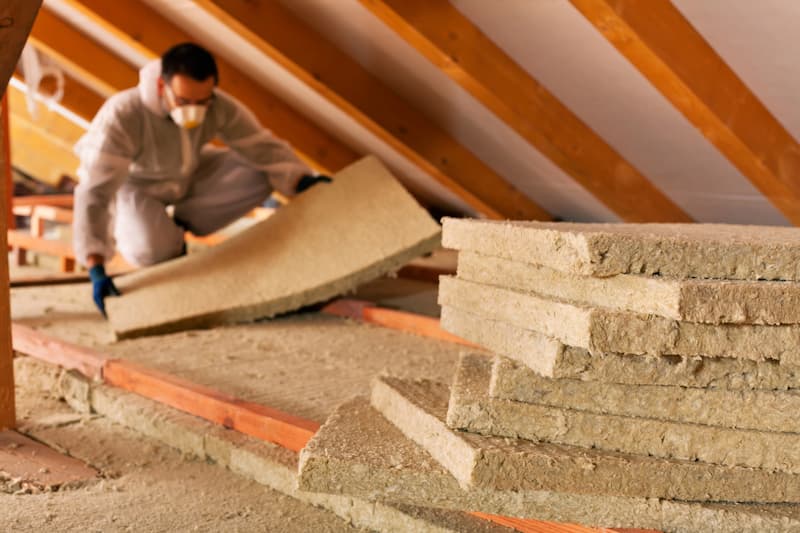
When summer turns sticky and bright in Houston, the sun loads heat into your roof and attic. Without proper protection, that heat pushes down into living spaces and makes your AC work overtime. High quality insulation Houston TX homeowners choose blocks much of that heat flow, keeps rooms more even, and lets your cooling system breathe easier.
If you want a fast path to comfort, talk to a pro about insulation services that are sized for your home, roof style, and attic conditions. The right approach helps keep your home cool in Houston while trimming wasted energy.
Why Insulation Matters In Houston Heat
Houston’s long cooling season, strong sun, and Gulf humidity create a perfect storm for overheated attics. Your roof absorbs solar energy all day, and that heat wants inside. Heat always moves from hot to cool. Insulation slows that movement so your rooms stay calmer, even on triple-digit index days.
Think of insulation as a shade tree for your house. It cannot stop the sun, but it dramatically cuts the heat that reaches your living spaces. That means steadier room temperatures and fewer AC cycles late in the afternoon when the attic is hottest.
How Heat Moves Into Your Home
There are three main paths. Conduction moves heat through solid materials like roof decking and ceiling drywall. Convection moves heat with air, especially in leaky attics. Radiation is the sun’s energy beaming into the roof and attic. Effective attic insulation addresses all three by resisting conduction, reducing convective loops, and limiting radiant gains when paired with proper attic design.
What This Means For Your AC
When the attic is cooler, supply ducts and the top floor stay cooler too. That lowers the AC’s workload and can reduce short cycling during peak hours. Your AC should not have to fight your attic. Insulation lowers the fight so your system runs more efficiently and lasts longer.
Best Insulation For Houston, TX Homes
Different homes around Houston need different solutions. Older bungalows in The Heights may need dense coverage over uneven framing. Newer two-story homes in Katy or Pearland might benefit from deeper attic levels plus attention around recessed lights and chases. The best choice depends on your attic layout, roof color, ventilation, and existing materials.
- Blown-in fiberglass or cellulose creates a blanket that fills gaps and reduces heat transfer through the ceiling plane.
- High-performance foam products can add air sealing and insulation in tight or complex spaces when designed by a pro.
- Radiant-control strategies can help in sun-exposed roofs when combined with the correct insulation levels.
Whatever you choose, the goal is simple: slow the flow of attic heat into your rooms. Attic insulation is your first line of defense.
How Proper Insulation Keeps Rooms Cooler
On a July afternoon in Meyerland or West University, the roof soaks in heat like a hot skillet. Insulation between the attic and the ceiling acts like the handle cover. You can still feel warmth, but it is muted, and it does not rush into the space below. Rooms stay steadier, second floors feel less stuffy, and indoor humidity is easier to manage because the AC is not constantly sprinting.
When insulation is right-sized, your thermostat holds setpoints with less drama. Bedrooms do not spike in the evening, and living areas do not feel clammy from frequent short AC bursts. That is how energy efficient insulation Texas homeowners choose supports comfort and helps reduce AC costs in Houston.
Moisture And Air: The Hidden Partners
Insulation works best with good attic airflow and tight ceilings. Warm, humid air sneaking in from the attic can raise moisture levels indoors and make your rooms feel warmer. Professional crews look for common trouble spots, like around can lights, chases, or knee walls, and make a plan that balances insulation with proper ventilation details. Moisture control matters in Gulf Coast homes.
Spot The Signs You Need Better Insulation
Not sure where to start? Look for these patterns across neighborhoods from Spring Branch to Clear Lake:
- The second floor is several degrees warmer than downstairs most afternoons.
- AC runs often but rooms still feel muggy or uneven.
- Noticeable temperature swings between rooms that share a wall or hallway.
- Dusty or hot air near attic access points.
- HVAC supply vents blowing cool air that warms quickly on the way to the room.
Neighborhood And Home-Style Considerations
Historic cottages in Montrose or The Heights often have irregular framing and limited attic headroom. These need a careful approach that maintains airflow paths while increasing coverage. Post-war ranch homes in Spring Branch or Westbury may benefit from deep, even attic levels to quiet down hot spots near long roof runs.
Suburban two-stories around Cypress, Sugar Land, and Friendswood frequently struggle with hot bonus rooms or over-garage spaces. Strategic insulation upgrades above those rooms help balance the system. Waterfront and bay-facing homes near Clear Lake face intense sun and reflected heat, so attention to roof color, shading, and insulation depth matters even more.
Energy Use, Comfort, And Noise Benefits
Right-sized insulation lowers heat transfer, which eases AC load and supports steadier indoor temperatures. Many homeowners notice they can raise the thermostat a degree or two and still feel comfortable because the rooms no longer swing so much. That stability also helps your dehumidification work better, since the AC can run at calmer, more efficient cycles.
Insulation also softens outside noise. Whether it is traffic near I-10 or weekend lawn tools, a well-insulated envelope helps your home feel more peaceful.
- Reduced afternoon temperature spikes on the top floor
- More even comfort across rooms and hallways
- Less strain on the AC during peak sun hours
- Potential for lower overall energy use with consistent thermostat settings
If you are comparing options, visit the home page to learn more about insulation in Houston, TX and how it supports year-round comfort.
Why Professional Assessment Beats Guesswork
Attics tell a story. A trained eye can spot wind-washing, thermal bypasses, duct exposure, and uneven coverage in minutes. From there, the plan is clear: set target insulation levels, protect airflow where needed, and detail around lights, hatches, and chases so the blanket does its job. A professional assessment prevents costly guesswork.
Working with The Insulation Guru means you get local insight on materials that perform well in our climate and a plan that respects your home’s design. That is how insulation Houston TX projects deliver comfort that lasts through August and beyond.
What To Expect With The Insulation Guru
First, we listen. Then we inspect the attic, note current depth and coverage, and check for common heat pathways. You receive a clear explanation of what is happening, why it is happening, and how the solution will keep your home cooler during our toughest months.
When you are ready, our team schedules the work at a time that fits your day. We protect floors and living areas, complete the upgrade, and verify even coverage before we leave. If you have questions after we finish, we pick up the phone at 713-853-3999 and make it right.
To see how a tailored plan can help keep home temperatures steadier and ease AC strain, explore our insulation services and get your home summer-ready.
Ready For A Cooler Home This Summer?
Houston heat will return. The question is whether it reaches your rooms or stops at the attic. With the right approach, insulation reduces heat transfer, lowers indoor temperatures, and cuts AC workload so comfort lasts from breakfast to bedtime. For a solution sized to your house and climate, reach out to The Insulation Guru and schedule insulation services today.
Protect Your Home with Advanced Insulation Solutions Contact The Insulation Guru In Houston, TX